
Have you ever wondered why your search queries sometimes return different results from those of your friends or family?
That’s because search engines are increasingly employing personalized search algorithms to customize the information they present to individual users.
In this piece, we’ll break down what search personalization actually means, how the underlying algorithms work, and why it matters for both shoppers and the businesses serving them. We’ll also look at real conversion data from stores that made the switch, how to personalize without compromising customer privacy, and just how easy it is to turn on, no developer required.
Let’s dive into the concept of search personalization and how it impacts your online experience.
What is Search Personalization?
Search personalization, in simple terms, refers to the process of tailoring search engine results to suit the preferences, interests, and historical behavior of each user.
When you type a query into a search engine, it doesn’t just retrieve generic results; instead, it takes into account various factors to deliver personalized search results.
This distinction matters more than it might first appear.
A generic search engine treats every shopper who types “running shoes” the same, whether they’re a first-time visitor or a repeat trail-runner. A personalized one tells the difference, and that shows up in the numbers: faster discovery, more clicks, higher conversion. Consumers back this up too: 83% are willing to share data for a better experience, but 73% trust brands more when that data is used transparently, and 79% weigh data security heavily in deciding whether to keep shopping with a brand. Personalization, done right, improves the experience and the bottom line at once.
Search Conversion Rate After Implementing Relevance-First Personalization
% of searches converting to purchase by Store
How Does Personalized Search Work?
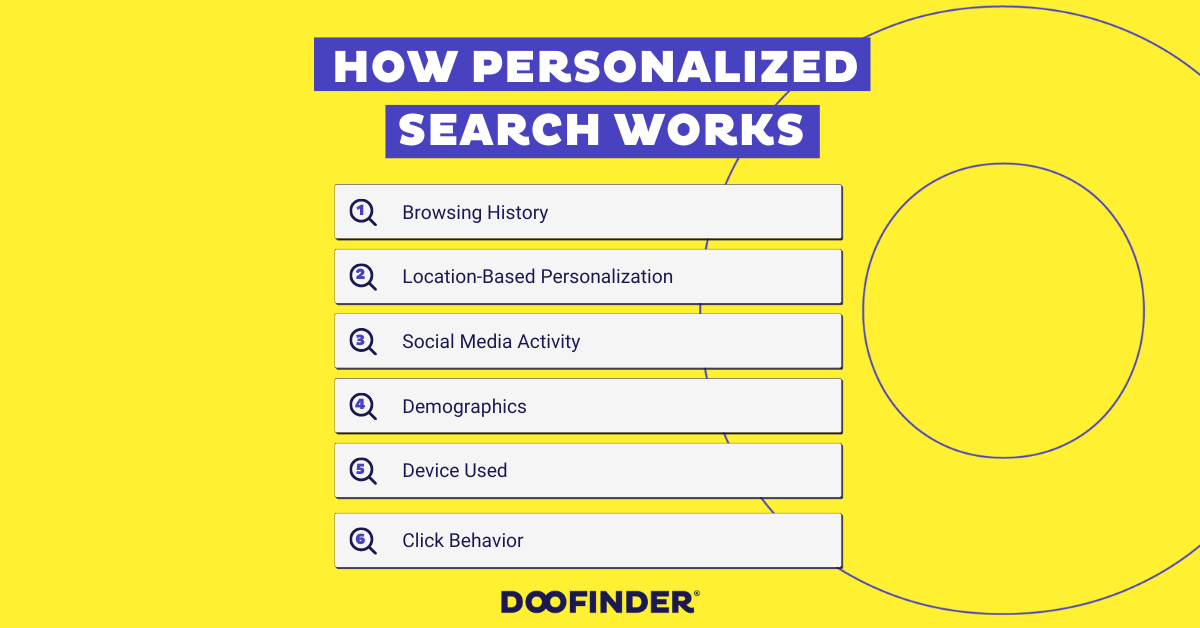
Now that we know what is meant by personalized web search, let’s explore how it works. Search engines employ sophisticated algorithms to personalize your search results. Some of the key factors that influence the personalization process include:
- Browsing History: Search engines remember your previous searches and the websites you’ve visited. This information helps them understand your interests and tailor results accordingly.
- Location-Based Personalization: Your physical location plays a significant role in search personalization. Local businesses and relevant information are given priority based on where you are.
- Social Media Activity: Search engines may also consider your social media interactions to better understand your preferences and interests.
- Demographics: Information like your age, gender, and language preferences can be used to refine search results.
- Device Used: The type of device you’re using, such as a smartphone, tablet, or desktop, can also influence the results shown to you.
- Click Behavior: Search engines analyze what links you click on from the search results to learn more about your preferences.
Artificial Intelligence’s Role in Personalized Online Shopping Experiences
Artificial Intelligence (AI) plays a pivotal role in revolutionizing eCommerce personalization.
By analyzing vast amounts of customer data, AI algorithms can extract valuable insights to offer tailored product recommendations, targeted marketing campaigns, and personalized shopping experiences.
According to a survey by Evergage,
88% of marketers have reported seeing measurable improvements due to personalization driven by AI.
AI-powered tools track and predict customer behavior, enabling businesses to proactively offer relevant product suggestions and personalized content.
With AI-driven dynamic pricing, businesses can optimize pricing strategies for individual customers, enhancing their sense of exclusivity and value.
By leveraging AI, businesses can deliver highly personalized search results, provide chatbot assistance, utilize image and voice recognition, and optimize inventory management.
Embracing AI in eCommerce not only enhances customer satisfaction but also drives sales and positions businesses as innovators in the digital landscape.
11 Ways to Personalize Search Results
Personalized search results have become a cornerstone of the modern online experience, providing users with tailored information that suits their preferences and needs.
Search engines employ various techniques to deliver these customized results.
Here are 11 effective ways they achieve search personalization:
1. Search Personalization for Enhanced Recommendations
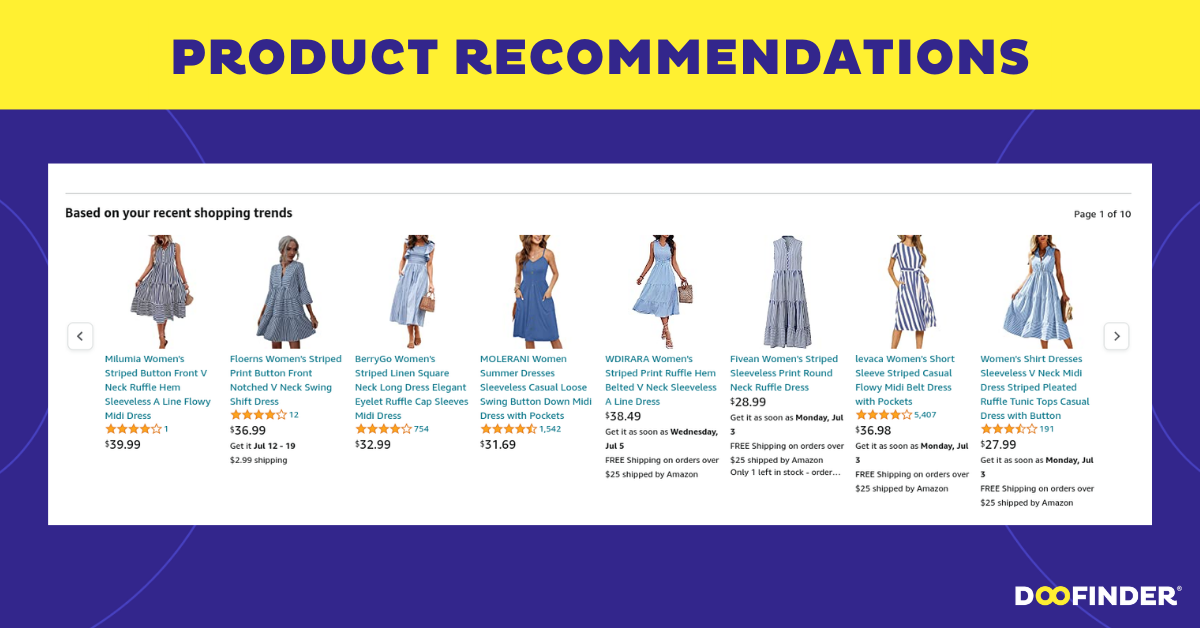
Search personalization involves tailoring personalized suggestions based on the user’s search and browsing history.
By analyzing a customer’s past search queries and interactions, you can offer customized recommendations that align precisely with their preferences and interests.
For instance, imagine a user looking for a new smartphone in an online tech store. Based on their previous searches for high-end devices and flagship models, the website recommends the latest cutting-edge smartphone that matches their preferences.
This smart search personalization helps customers discover new products that resonate with their needs and preferences, ultimately increasing the likelihood of making a purchase.
An exemplary real-life implementation of this search personalization technique can be seen on Google’s search engine, where personalized search results are provided based on the user’s previous search history and behavior, offering a more tailored and relevant search experience.
2. Top Products Tailored to You
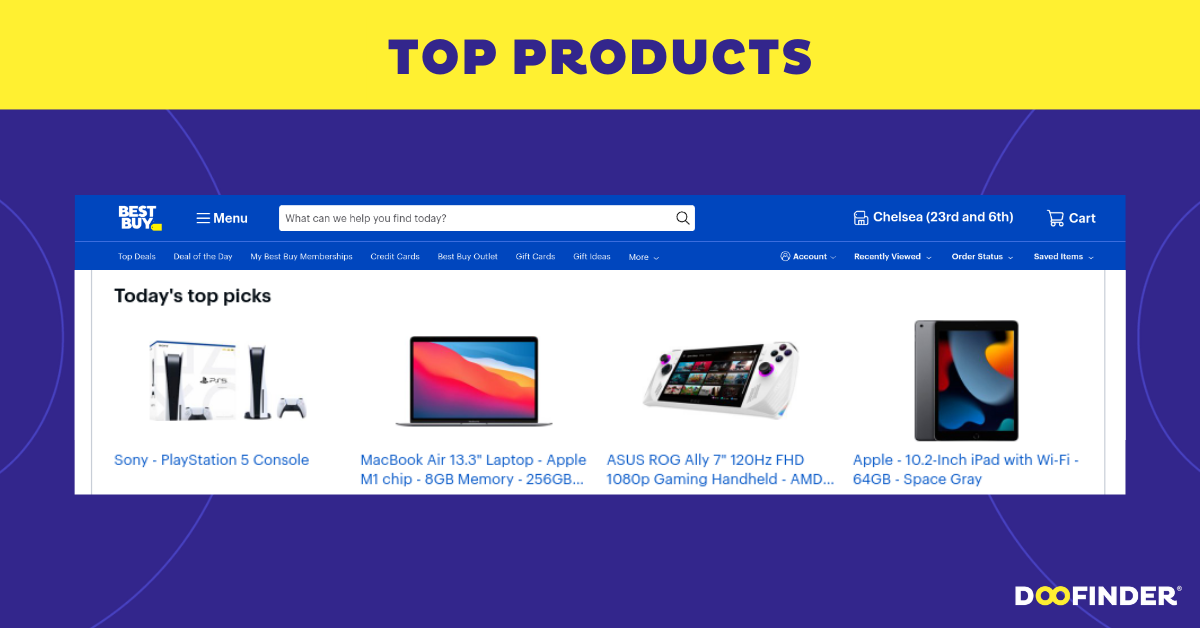
Showcasing top products with search personalization serves as powerful social proof for your offerings.
By featuring a section on your website that highlights the most popular or best-selling products based on individual user preferences, you create a sense of trust and credibility, significantly influencing customer behavior.
For instance, when a user searches for “laptops” on an online electronics store, the website displays a “Top Picks for You” section that showcases highly-rated laptops based on their browsing and purchase history.
This personalized approach helps users quickly identify the best products that align with their specific interests and needs.
Retail giants like Walmart effectively implement this search personalization technique by presenting “Top Products Recommended for You” based on individual shopping behavior, guiding customers towards products that are likely to appeal to them personally.
3. Targeted Promotional Banners
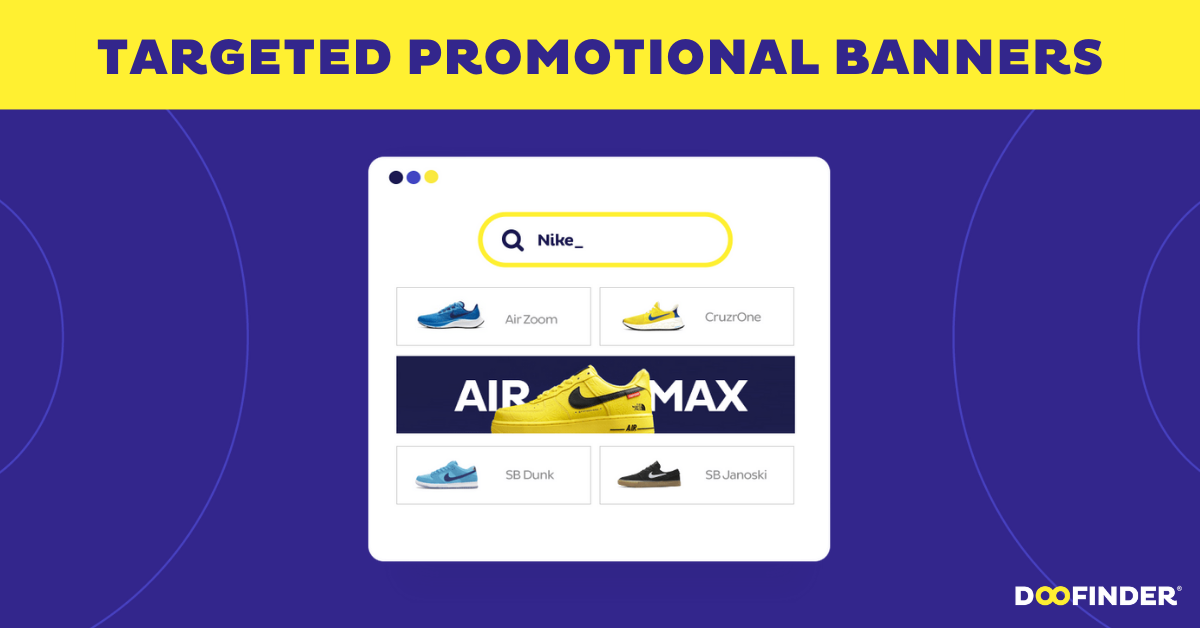
Search personalization goes beyond simple marketing messages by tailoring promotional banners to specific customer segments based on their search queries.
When a user enters a search term on your website, you can display targeted banners that align precisely with their interests, capturing their attention and increasing the chances of conversions.
For instance, a customer searches for “outdoor grills” on an e-commerce website.
The search personalization system recognizes their interest in grilling and displays banners with special offers on grilling accessories and barbecue essentials, enticing the customer to explore related products and make a purchase.
4. Smart Filtering Suggestions
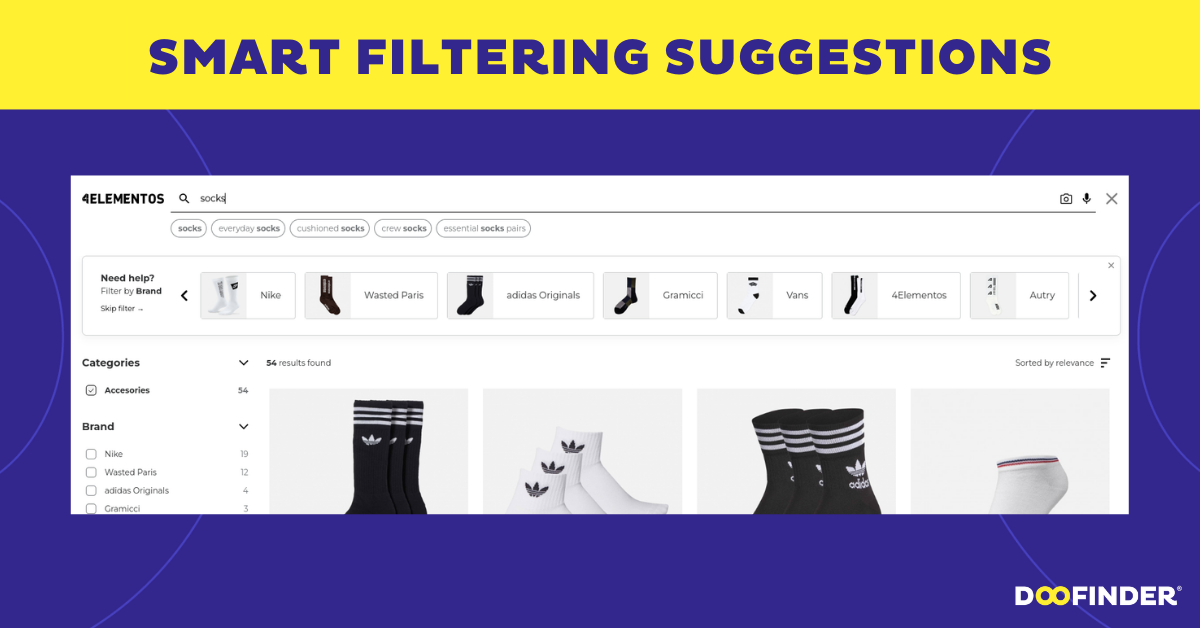
Empowering users with smart filtering suggestions during their search process is a key aspect of search personalization.
As customers begin typing their search query, the system can intelligently offer relevant search filter options, streamlining the shopping experience and helping customers find their desired products more efficiently.
For example, a user searches for “running shoes” on an athletic gear website.
The search personalization system provides smart filtering options such as “trail running,” “neutral cushioning,” and “size 10,” allowing the customer to quickly narrow down their search and find the perfect pair of running shoes.
5. Search Bar Suggestions with Search Personalization
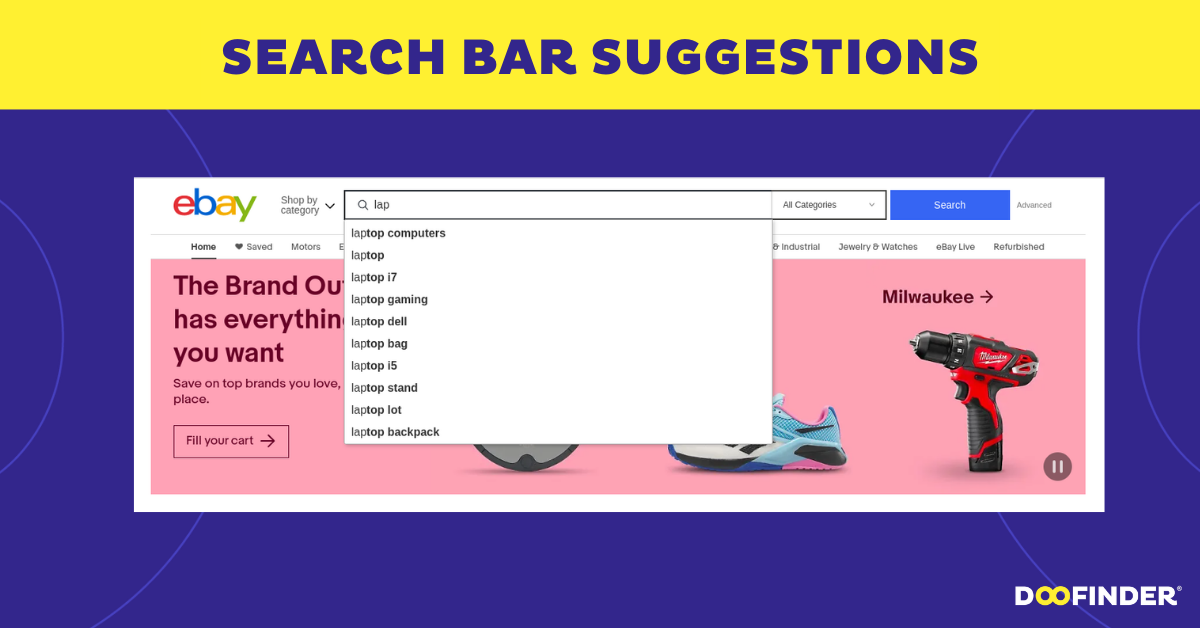
Recommended searches with search personalization involve offering autosuggest search results and autocomplete functionality to assist customers in finding their desired products quickly.
As users start typing their search query, the system provides instant suggestions based on popular or related search terms, refining their search and presenting alternative options they might not have initially considered.
For instance, a customer begins typing “beachwear” in the search bar of an online fashion store.
The website’s search personalization system generates automatic suggestions such as “swimsuits,” “beach cover-ups,” and “flip-flops,” helping the customer find exactly what they’re looking for without having to type the full search term.
6. Personalized AI Search Results Tailored to You
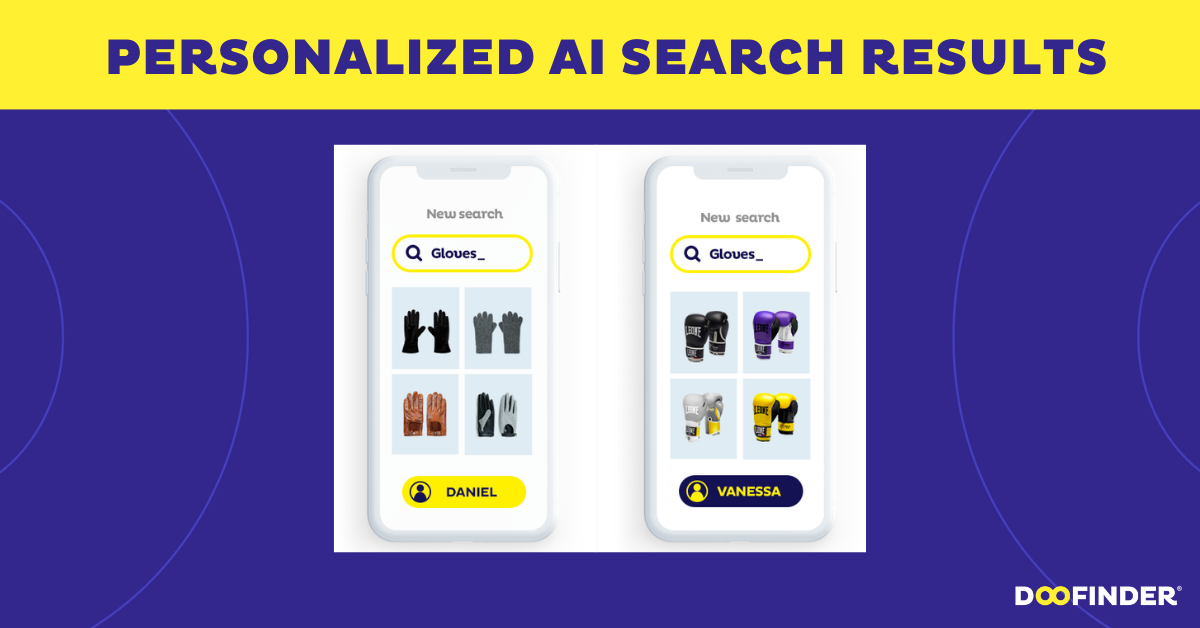
Personalized AI search results encompass delivering search outcomes tailored to each individual customer based on their unique behavior and preferences.
By analyzing a customer’s search history, past interactions, and purchase patterns, you can present them with search results that prioritize products most relevant to their interests.
For example, a user searches for “organic skincare” on an online beauty store.
The personalized AI search results system showcases organic skincare products from their favorite brands, considering their previous interactions and purchases, ensuring a more satisfying search experience.
Companies like Sephora employ this search personalization technique by utilizing AI algorithms to deliver personalized search results, offering customers a curated selection of products that match their individual preferences.
7. Geo-Located Search Personalization for Location-Specific Offers
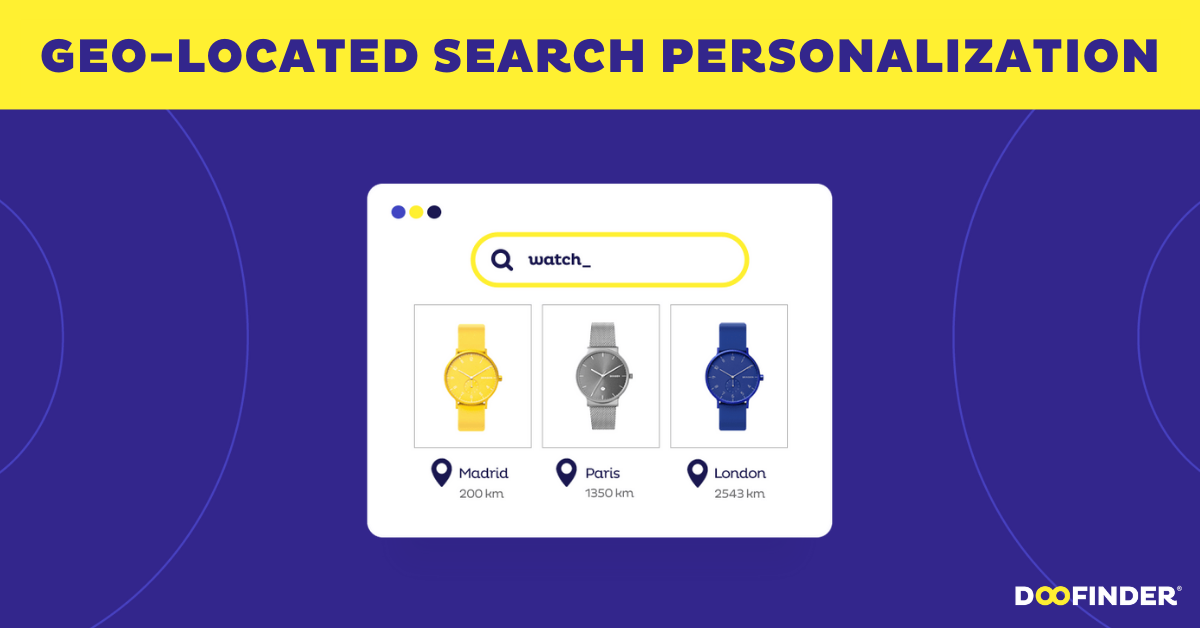
Geo-located search personalization involves displaying products and offers that are tailored to the user’s specific location, optimizing search results for their region.
By recognizing a customer’s location, you can customize search results to showcase products that are available or popular in their area.
For instance, a user in Los Angeles searches for “outdoor activities” on a travel website.
The geo-located search personalization system tailors the results to display popular outdoor destinations and activities in the Los Angeles area, providing relevant information based on the user’s location.
Companies like Airbnb effectively implement this search personalization technique by considering a customer’s location and adjusting search results to highlight accommodations and experiences available in their preferred destination.
8. Product Bundling Made Personal with Search Personalization
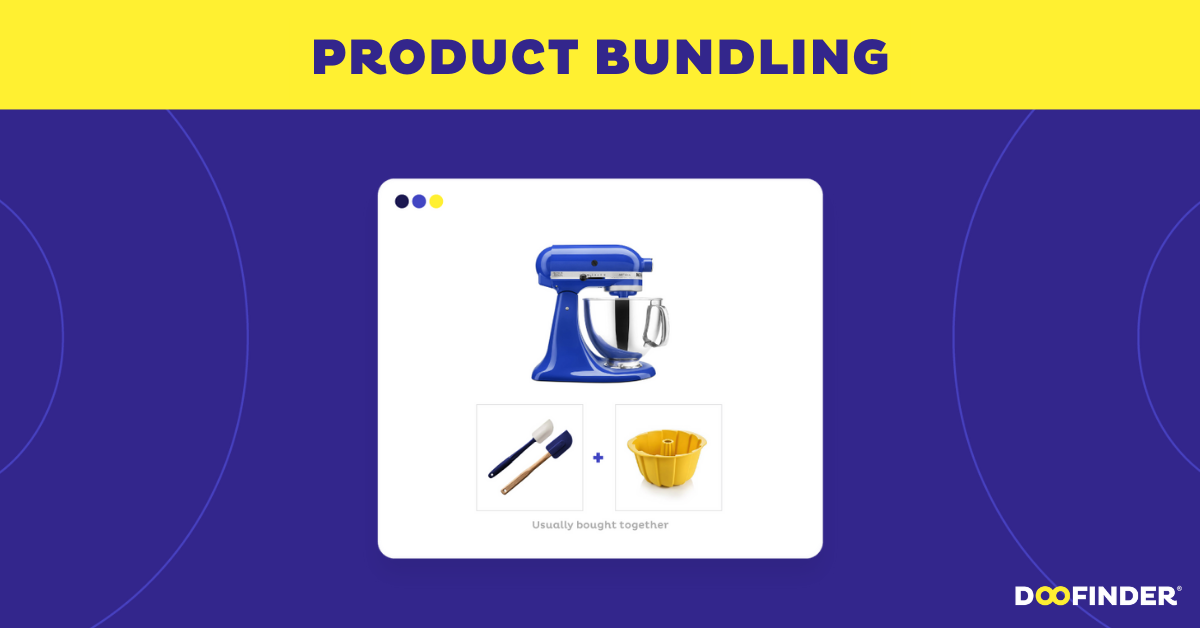
Product bundling with search personalization involves suggesting items that are frequently purchased together, based on individual customer behavior and purchase history.
By recommending complementary products, this personalization technique simplifies the shopping experience and encourages customers to make comprehensive purchases.
For example, a user adds a digital camera to their cart in an online electronics store.
The search personalization system suggests a bundled package with additional lenses, memory cards, and a camera bag, creating a convenient and enticing offer that caters to the customer’s interests.
For instance, XTech Tactical, a firearm accessories retailer, faced a common problem: customers knew what they needed but struggled to find items compatible with their specific model. By using Doofinder and making search model aware, customers could find the exact product they wanted while also being shown compatible accessories for their setup. The result was a 52.4% click through rate and 10.1% of searches leading directly to a purchase.
9. Discover Similar Products through Search Personalization
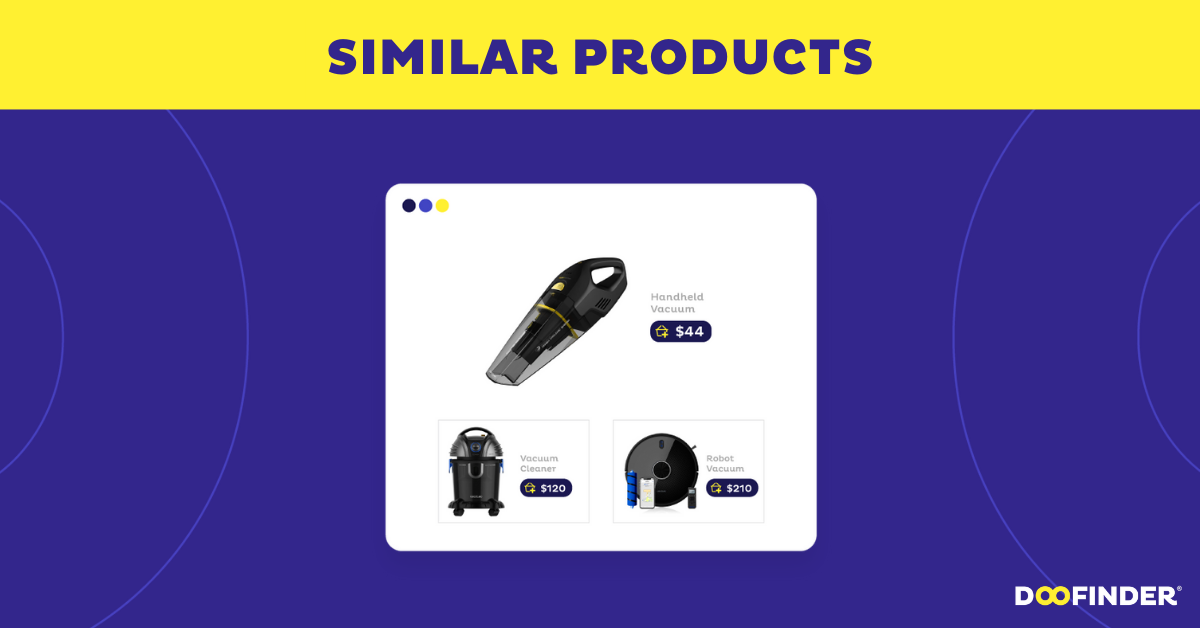
Offering similar products with search personalization involves providing alternative suggestions based on the item being viewed by a customer.
By analyzing the characteristics and attributes of the product, you can recommend similar items that align with the customer’s preferences and interests, expanding their options and encouraging further exploration.
For instance, a customer is browsing a home decor website and views a specific sofa.
The search personalization system presents similar sofas in different colors and styles, allowing the customer to explore various options and find the perfect fit for their living space.
Leading home decor retailers like Wayfair utilize this search personalization technique by offering a “More Like This” section, displaying similar products to help customers find additional choices that resonate with their tastes and preferences.
10. Search Query History for Seamless Shopping
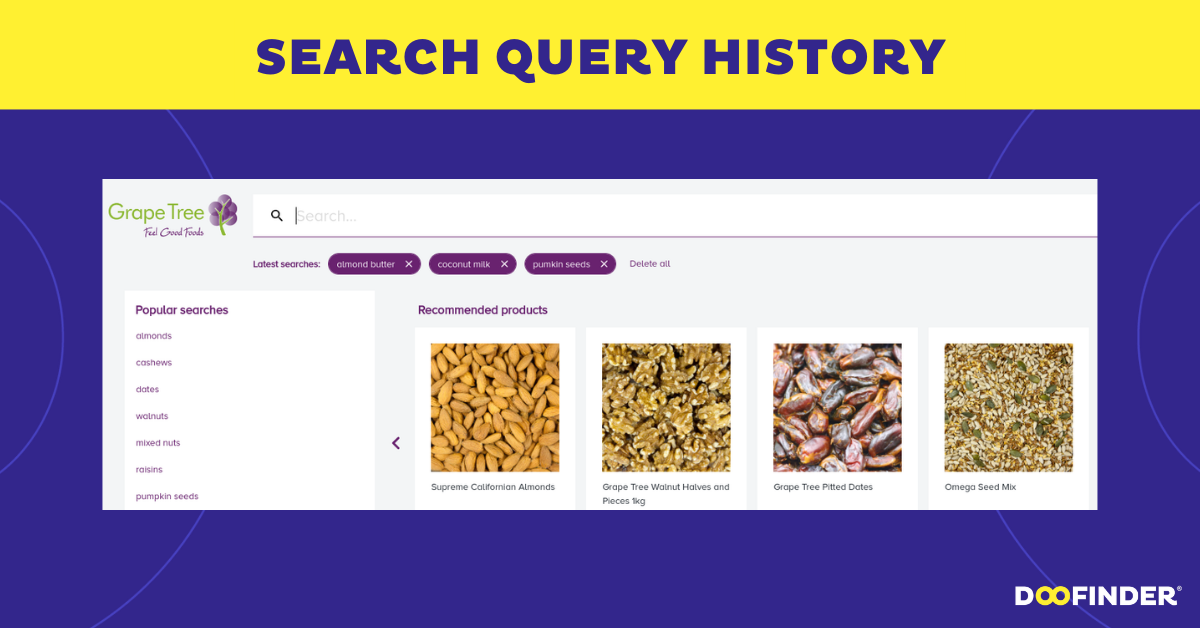
Search personalization with search query history involves the search bar remembering the user’s past search queries, facilitating a smoother and more efficient shopping experience.
By automatically populating the search bar with their last search term, users can revisit and modify their search without having to start from scratch.
For instance, a user searches for “wireless earbuds” and then navigates to a different page.
When they return to the search bar, their previous query is still there, making it easy for them to refine their search or explore related options.
- E-commerce platforms like Etsy implement this search personalization technique, ensuring the search bar retains the user’s search history, offering a user-friendly and personalized shopping journey.
GrapeTree implemented this search personalization technique using Doofinder, ensuring the search bar retains the user’s search history, offering a user-friendly and personalized shopping journey.
11. Synonym Recognition for Enhanced Search Precision
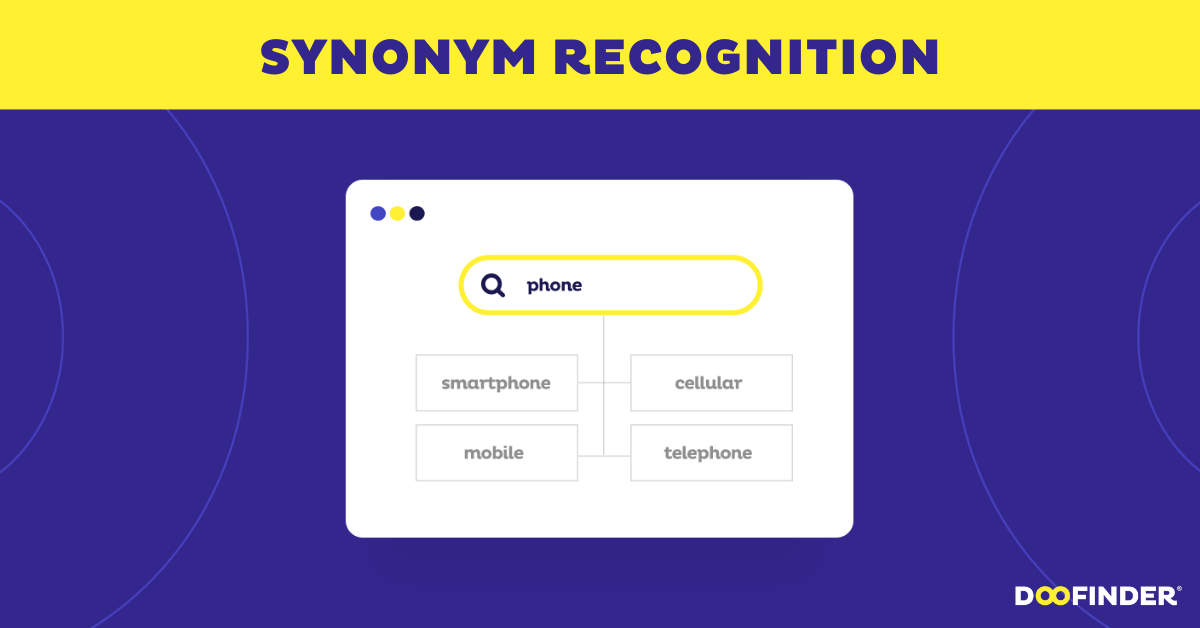
Synonym recognition as part of search personalization enhances the search experience by understanding and interpreting different variations of search terms through natural language search.
The system recognizes synonyms or related terms and provides relevant results, even if the exact search term is not used.
For example, a user searches for “running shoes,” and the search personalization system understands that “jogging shoes” and “athletic sneakers” are synonymous terms, displaying relevant products for all these variations.
Why Personalize Search Engine Results?
The primary goal of personalized search is to enhance the user experience by providing more relevant and useful information.
By understanding your preferences and behavior, search engines can present results that are more likely to align with what you’re looking for, saving you time and effort.
Imagine you’re interested in photography and frequently search for camera-related information. With personalized search, the search engine will learn about your passion and start showing photography-related articles, camera reviews, and photography tips at the top of your search results.
Creating a Balance Between Customer Privacy and Search Personalization
Personalization only works if customers trust it, and that trust depends on how the underlying data is collected, not just what it’s used for.
There are two broad paths to gathering the signals personalization runs on. Third-party tracking builds a profile of a shopper before they even land on a store, using cookies and cross-site data collected passively, often without the shopper fully realizing how much is being gathered.
First-party search signals work differently: the shopper hands over their intent directly and on purpose the moment they type a query. There’s no need to reconstruct who they are from scattered behavior elsewhere, they’ve already told you what they want.
That distinction matters practically, not just ethically:
- Visible and explainable. The shopper can see the connection between what they typed and what they got back.
- Durable. It keeps working regardless of what happens to third-party cookies.
- Immediate. It doesn’t require months of accumulated history to be useful.
This makes search one of the most durable and least invasive foundations for personalization available to an online store today.
How Can Doofinder Help Personalize Your Website’s Search Engine?
Doofinder utilizes advanced algorithms that analyze your visitors’ interactions, such as clicks and search queries. By doing so, it learns from their behavior and showcases the most relevant results first. You can also easily customize the search interface to match your website’s look and feel, creating a seamless and personalized experience that leads to higher engagement and conversion rates.
Built for Customers and Your Business
Most personalization tools optimize purely for the shopper. Doofinder balances customer preferences with your business goals. Personalization runs on four parameters, Title, Price, Brand, and Categories, all on by default, but each can be turned off individually. Don’t want Price influencing results? Disable it without losing personalization elsewhere.
Set Up in Minutes
No developer needed. In your Admin Panel, go to Search > Advanced Preferences > Personalization, select your search engine, and switch it on.
From there, Doofinder learns within each shopper’s session, no waiting on accumulated data. Search “smartphone,” click a specific brand, and your next search for accessories already favors it.

Ready to see it on your own store? Start your free trial and turn on search personalization today, no code, no long onboarding, just a switch.
Frequently Asked Questions About Search Personalization
Personalization happens automatically, using data and algorithms to adapt the experience without the shopper doing anything extra. Customization requires the shopper to manually set their own preferences, like choosing a theme or filtering by size every visit. Search personalization falls into the first category: the system learns from behavior and adjusts results on its own.
A personalization engine is the underlying system that collects signals (search queries, clicks, purchase history, session behavior) and uses them to rank or re-rank results for each shopper in real time. In ecommerce search, this engine is what turns a single product catalog into a different, more relevant set of results for every visitor.
Yes, and the effect is measurable. Health and wellness brand Cymbiotika saw an 8.4% search conversion rate and an 80% increase in click-through rate after making search intent-aware. Firearm accessories retailer XTech Tactical reached a 52.4% click-through rate and 10.1% of searches leading directly to a purchase. Sexual wellness retailer TooTimid saw its conversion rate reach 10.3%, with a 7.1% lift in overall revenue. The specific numbers vary by industry and catalog, but the direction is consistent: when search reflects what a shopper actually wants, more of that traffic turns into revenue.
Yes. This is one of the most overlooked strengths of search-based personalization. A shopper doesn’t need a browsing history or a persistent profile for their search query to be useful, the query itself is the signal. Even a first-time, anonymous visitor reveals real intent the moment they type something into the search bar. That means personalization can start working in a single session, rather than requiring weeks of accumulated data or reliance on cookies that browsers and regulations are increasingly restricting.
